
Whistler Blackcomb Ski Resort: North America’s Largest — Vertical Drop, Trail Map & Lift Tickets 2026
British Columbia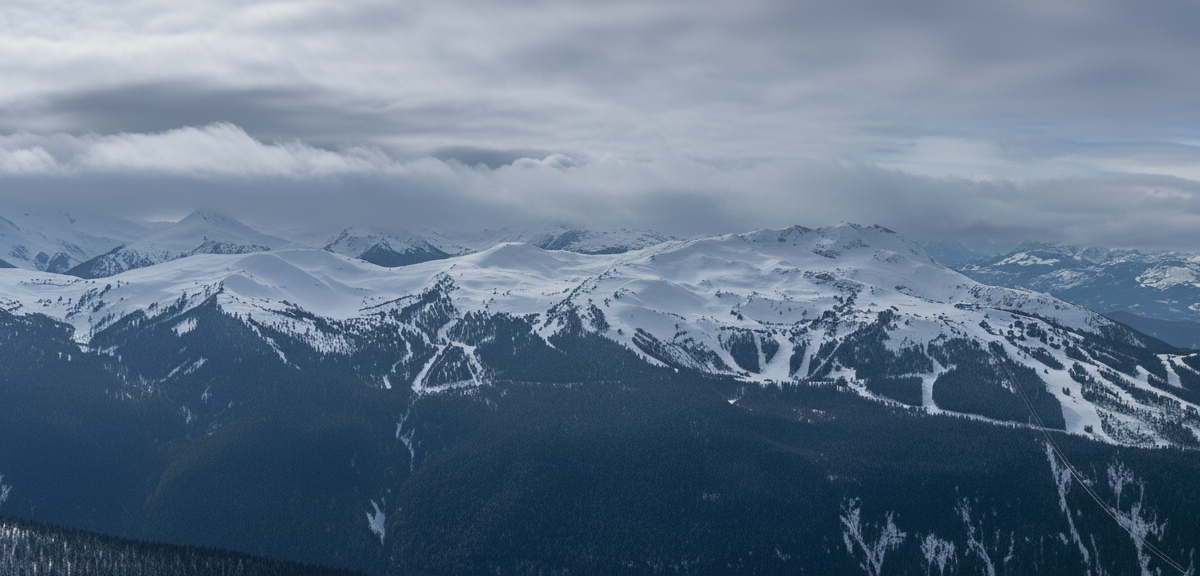
Whistler Blackcomb is the largest ski resort in North America, offering 8,171 skiable acres across two interconnected mountains in British Columbia’s Coast Range. Located 125 km north of Vancouver along the Sea-to-Sky Highway, it served as a venue for the 2010 Winter Olympics and consistently ranks among the world’s top ski destinations.
The Numbers: Why Whistler Is the Biggest
- Skiable terrain: 8,171 acres — larger than the next three biggest Canadian resorts combined
- Vertical drop: 1,609 m (5,280 ft) — second only to Revelstoke in North America
- Trails: 200+ named runs across both mountains
- Lifts: 37, including 3 gondolas
- Alpine bowls: 16 massive above-treeline bowls
- Glaciers: 3, with summer skiing available
- Average snowfall: 1,164 cm (38.2 feet) annually
PEAK 2 PEAK Gondola: An Engineering Marvel
The PEAK 2 PEAK Gondola (opened 2008) connects both mountain peaks via a 4.4 km span at 436 meters above the valley floor. When built, it held three world records: longest unsupported span (3.024 km), highest point above ground, and longest free span between towers. It changed skiing at Whistler — previously, accessing both mountains required descending to the village. Now you traverse between peaks in 11 minutes.
Terrain Breakdown
| Level | Trails | % of Terrain | Key Areas |
|---|---|---|---|
| Beginner (Green) | 40 | 20% | Olympic Station, Village Gondola area |
| Intermediate (Blue) | 110 | 55% | Symphony Bowl, 7th Heaven, Crystal Ridge |
| Advanced/Expert (Black) | 50 | 25% | Peak Chair, Spanky’s Ladder, Couloir Extreme |
2010 Winter Olympics Legacy
Whistler hosted alpine skiing, cross-country, biathlon, ski jumping, Nordic combined, and sliding events during the 2010 Vancouver Olympics:
- Dave Murray Downhill: Olympic men’s downhill — now a public ski run
- Whistler Sliding Centre: Bobsled, luge, skeleton track
- Whistler Olympic Park: Cross-country and biathlon in Callaghan Valley
Lift Tickets & Value Analysis
At $249 CAD/day (2025-26), Whistler is Canada’s most expensive single-day ticket. But our Value Index ranks it #1 because the terrain-per-dollar is unmatched:
- Cost per skiable acre: $0.03 — actually the cheapest in Canada by this metric
- Cost per trail: $1.25
- Epic Pass: $1,149 CAD for unlimited Whistler + Fernie + Kicking Horse + Nakiska
Snow Conditions
Whistler’s 1,164 cm average snowfall comes from Pacific moisture systems hitting the Coast Mountains. The snow tends to be heavier and wetter than Interior BC resorts (Revelstoke, Fernie), but the volume is massive. The alpine zone above 1,800m often receives drier, lighter snow. January and February are the most consistent months for powder days.
The Village
Whistler Village is a pedestrian-only alpine village with 200+ shops, 90+ restaurants, and a vibrant apres-ski scene. It was purpose-built starting in the 1970s and expanded significantly for the Olympics. The village connects to both Whistler and Blackcomb gondola base stations.
Getting There
125 km / 1.5-2 hours north of Vancouver via the Sea-to-Sky Highway (Hwy 99), extensively upgraded for the 2010 Olympics and now one of BC’s most scenic drives. Regular shuttle services run from Vancouver and YVR Airport.
Beyond Winter
Summer Whistler offers North America’s largest bike park, hiking (High Note Trail, Russet Lake), zip-lining, 4 championship golf courses, and bear viewing tours. Major events: Crankworx (mountain biking) and Ironman Canada.
Sources: Whistler Blackcomb official data, Vail Resorts, Environment Canada climate normals, Tourism Whistler. Season data: 2025-2026.