
Maple Syrup Capital of Ontario: Lanark County Sugar Shacks, Production & Canada’s $500M Industry
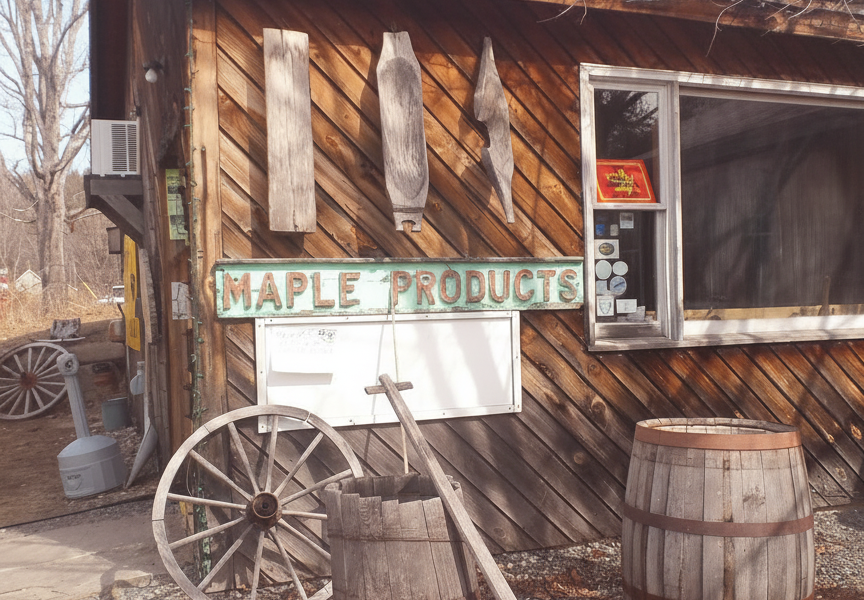
Canada’s Maple Syrup Capital and the Sweet Science Behind It
Lanark County, Ontario claims the title of Canada’s Maple Syrup Capital, but the real story of maple syrup spans the entire country — a $500-million industry that produces 75% of the world’s supply. From the specific tree biology to the sugar shack experience, maple syrup is one of Canada’s most iconic cultural and economic products.
Production by Province
| Province | Share of Canadian Production |
|---|---|
| Quebec | 90% |
| Ontario | #2 producer |
| New Brunswick | Growing producer |
| Nova Scotia | Small-scale production |
The Science of Sap Flow
Maple syrup comes from the sugar maple (Acer saccharum), and the sap only flows under very specific weather conditions. Overnight temperatures must drop to around -5°C, followed by daytime warming to about 5°C. This freeze-thaw cycle creates pressure inside the tree that pushes sap out through tap holes.
- Season: March to April, lasting 4-6 weeks
- Yield: One tree produces 35-50 litres of sap
- Ratio: It takes 40 litres of sap to make just 1 litre of syrup
- The boiling process evaporates water, concentrating the sugar content to 66%
Maple Syrup Grades
| Grade | Flavour Profile | Best Use |
|---|---|---|
| Golden | Delicate, light | Drizzling, light cooking |
| Amber | Rich, full-bodied | Table syrup, pancakes |
| Dark | Robust, caramel | Baking, glazes |
| Very Dark | Strong, intense | Cooking, marinades |
The Sugar Shack Experience
The cabane a sucre (sugar shack) is a Quebec tradition that has spread across eastern Canada. Visitors can enjoy:
- Pancake breakfasts drenched in fresh syrup
- Tire sur la neige — hot syrup poured on snow and rolled onto sticks (taffy on snow)
- Horse-drawn sleigh rides through the sugar bush
- Live folk music and traditional Quebecois meals
Cultural Significance
The maple leaf on Canada’s flag reflects the sugar maple’s deep cultural importance. Indigenous peoples taught European settlers the art of maple sugaring centuries ago, and the tradition has grown into a $500-million-plus industry that defines early spring across eastern Canada.