
Dragon Lake Quesnel BC: 50,000 Rainbow Trout Stocked Annually — Fishing Guide & Goldfish Issue
British Columbia Cariboo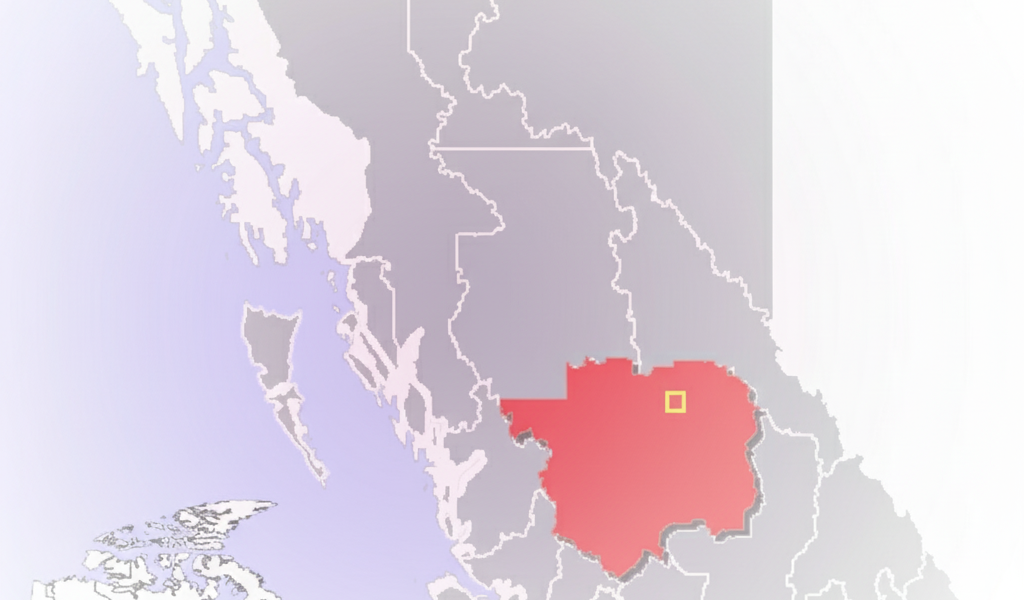
Recommended Fly Patterns
Chironomid, Leech, Woolly Bugger
Dragon Lake: Rainbow Trout Stocking & a Goldfish Invasion
Dragon Lake near Quesnel, BC, is known for two very different reasons: it is one of British Columbia’s most heavily stocked rainbow trout lakes, and it has become a cautionary tale about invasive goldfish released from home aquariums. The contrast between deliberate fish management and accidental ecological disruption makes Dragon Lake a fascinating case study in freshwater biology.
Lake Facts
| Stat | Details |
|---|---|
| Surface Area | 253 hectares |
| Maximum Depth | 15 m |
| Annual Trout Stocking | 50,000 rainbow trout |
| Location | 5-minute drive from Quesnel, BC |
Rainbow Trout Fishery
Each year, the Freshwater Fisheries Society of BC stocks Dragon Lake with approximately 50,000 rainbow trout, making it one of the most generously stocked lakes in the province. The high stocking rates, combined with the lake’s productive waters, mean anglers enjoy consistent catch rates throughout the open-water season. Trout in Dragon Lake regularly reach 2-3 pounds, with some fish growing larger between stocking cycles.
The lake’s easy access — just minutes from downtown Quesnel — makes it a popular destination for families, casual anglers, and visitors passing through on Highway 97. Shore fishing is productive from several access points, though a small boat or float tube opens up more water.
The Goldfish Problem
Dragon Lake has gained national attention for its invasive goldfish population. The fish were almost certainly released from home aquariums — a seemingly harmless act that has had serious ecological consequences. In Dragon Lake’s warm, shallow, nutrient-rich waters, the goldfish found ideal conditions and have established a self-sustaining breeding population.
The ecological concerns are significant:
- Competition for food — goldfish feed on the same invertebrates and zooplankton that young rainbow trout depend on
- Habitat disruption — goldfish root through lake-bottom sediment when feeding, stirring up nutrients and increasing turbidity
- Reproductive advantage — goldfish reproduce prolifically in warm water, potentially outpacing trout in population growth
- Disease transmission — domestic goldfish can carry parasites and pathogens that wild fish have no resistance to
A National Lesson
Fisheries scientists across Canada now point to Dragon Lake as an example of why aquarium fish should never be released into natural waterways. What seems like a compassionate act — freeing a pet fish — can fundamentally alter a lake’s ecosystem. The BC government has invested in monitoring and management efforts, but eradicating an established invasive population from a 253-hectare lake is extremely difficult.