
Cape Spear Newfoundland: Canada’s Easternmost Point — Historic Lighthouse, Whale Watching & Sunrise Guide
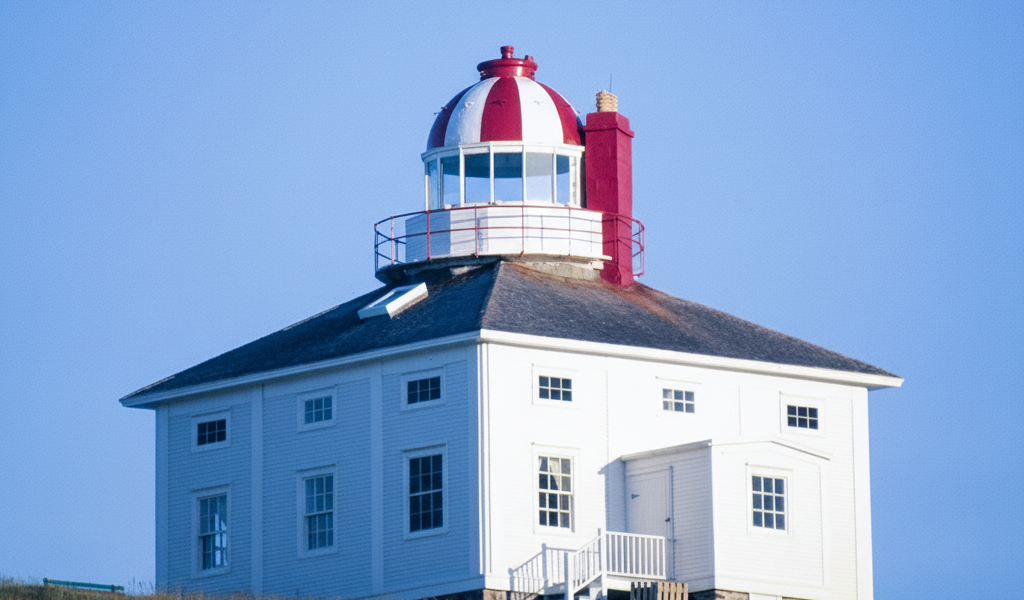
Cape Spear: The Most Easterly Point in North America
Standing at 47.5167°N, 52.6200°W, Cape Spear is the most easterly point in North America — the first place on the continent to see the sunrise each morning. This windswept headland on Newfoundland’s Avalon Peninsula is a place of raw, elemental beauty: sheer cliffs dropping into the open Atlantic, historic lighthouses, and the lingering echoes of wartime coastal defence.
Key Facts
| Detail | Information |
|---|---|
| Designation | Cape Spear Lighthouse National Historic Site |
| Significance | Most easterly point in North America |
| Original Lighthouse | Built 1836 — oldest surviving in Newfoundland |
| Current Lighthouse | Built 1955, still operational |
| Distance from St. John’s | 15 minutes by car |
| Admission | Grounds: free. Lighthouse interior: Parks Canada fee |
The Lighthouses
Cape Spear is home to two lighthouses. The original 1836 lighthouse is the oldest surviving lighthouse in Newfoundland and has been restored to its mid-19th century appearance, complete with period furnishings that depict the life of a lighthouse keeper and their family. The square wooden structure, painted white and red, is a striking contrast to the grey Atlantic skies.
The current lighthouse, built in 1955, is a more functional concrete tower that continues to guide ships entering St. John’s harbour. Together, the two structures tell almost 200 years of maritime navigation history.
WWII Coastal Defence
During the Second World War, Cape Spear served as a strategic coastal defence battery protecting the approaches to St. John’s harbour. The remains of the military installation are still clearly visible:
- Gun emplacements — concrete bunkers that housed artillery pieces aimed at potential enemy submarines and surface vessels
- Underground magazines — ammunition storage rooms built into the hillside
- Observation posts — lookout positions along the cliff edge
The ruins are accessible to visitors and offer a sobering reminder of the Battle of the Atlantic, when German U-boats prowled these very waters.
Wildlife Viewing
Cape Spear is one of the most accessible wildlife viewing sites on Newfoundland’s east coast:
- Whales (June–August) — Humpback and minke whales feed close to shore, often visible from the cliff trails without binoculars. The whales follow capelin schools that spawn on nearby beaches.
- Icebergs (April–June) — Ancient ice calved from Greenland’s glaciers drifts south on the Labrador Current, passing Cape Spear in spectacular fashion. Some bergs tower 15 storeys above the waterline.
- Seabirds — Gannets, kittiwakes, and murres are common. The famous puffin colonies at Witless Bay Ecological Reserve are just a short drive south.
Hiking and Trails
The cliff-top trails at Cape Spear offer dramatic views of the open Atlantic. A paved path leads from the parking area to the easternmost point marker, while rougher trails follow the coastline in both directions. The East Coast Trail — a long-distance hiking route spanning 336 km of the Avalon Peninsula — passes directly through Cape Spear, connecting it to trails leading north toward St. John’s and south toward Maddox Cove.
First Sunrise in North America
Cape Spear’s easterly position means it receives the first sunrise in North America each morning. On January 1st, locals and visitors gather in darkness at the cliff edge to watch the first sunrise of the new year — a cold, windswept, and deeply moving tradition. Summer sunrise times are as early as 5:00 AM in late June.
Practical Information
Cape Spear is just a 15-minute drive from downtown St. John’s, making it an easy half-day excursion. Weather changes rapidly on this exposed headland — even on warm summer days, fog can roll in within minutes and temperatures can drop sharply. Dress in layers and bring a windproof jacket regardless of the forecast. The parking area and main paths are accessible, though cliff-edge trails can be uneven and slippery when wet.