
Cabot Trail Driving Guide: 298 km Scenic Loop Through Cape Breton — Stops, Distances & Best Times
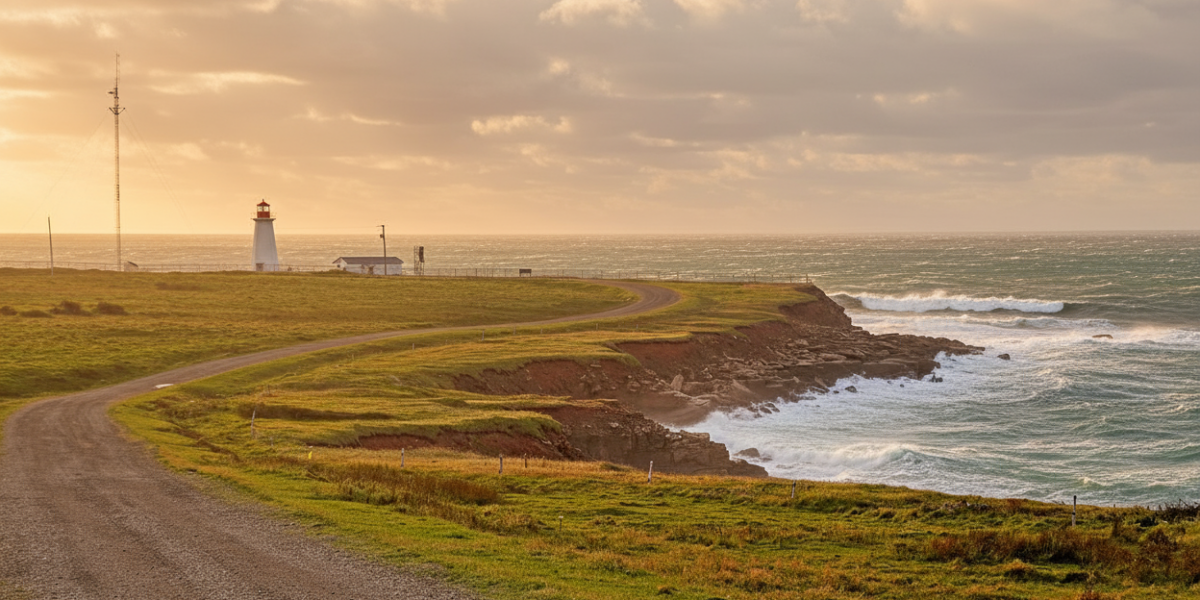
The Cabot Trail: One of the World’s Great Drives
The Cabot Trail is a 298 km scenic highway loop that circles the northern tip of Cape Breton Island in Nova Scotia. Consistently ranked among the world’s most beautiful drives by National Geographic, Lonely Planet, and Travel + Leisure, it combines dramatic coastal cliff roads, highland plateaus, deep river canyons, and a rich cultural tapestry of Acadian French and Celtic Gaelic communities.
Quick Reference
| Detail | Information |
|---|---|
| Total Loop Distance | 298 km |
| Named After | Explorer John Cabot (1497 voyage) |
| National Park | Cape Breton Highlands National Park |
| Hiking Trails in Park | 26 trails |
| Best Time for Fall Colours | Mid-September to mid-October |
| Recommended Duration | 2–4 days minimum |
| Recommended Direction | Clockwise (Baddeck → Cheticamp → Ingonish) |
The Route
Most travellers begin and end in Baddeck, a charming village on Bras d’Or Lake that was once the summer home of Alexander Graham Bell. Driving clockwise is recommended — this puts you on the outside (ocean-side) lane for the most dramatic coastal sections and allows the scenery to build progressively toward the trail’s most spectacular stretches.
The route passes through distinct cultural regions:
- Cheticamp — A vibrant Acadian francophone community on the western shore. Famous for hooked rugs, Acadian cuisine (fricot, poutine râpée), and the gateway to Cape Breton Highlands National Park.
- Pleasant Bay — A tiny fishing village at the northern turn, and the best base for whale watching.
- Meat Cove — The northernmost point accessible by road in Nova Scotia. A rough side road leads to a dramatic clifftop campground.
- Ingonish — A Celtic/Gaelic community on the eastern shore with beaches, the Keltic Lodge resort, and the Highlands Links golf course.
- Baddeck — Gateway town with the Alexander Graham Bell National Historic Site, restaurants, and accommodations.
The Driving Experience
The coastal sections between Cheticamp and Pleasant Bay feature the trail’s most dramatic driving — a winding cliff-edge road with sharp switchbacks, steep grades, and sheer drops to the ocean. The road climbs to highland plateaus above the treeline before plunging back down to sea level. On the eastern side, the descent from Cape Smokey into Ingonish offers sweeping views of the Atlantic coastline far below.
While the trail can technically be driven in a single long day, doing so means missing everything that makes it special. Allow at least 2–4 days to hike, eat, explore communities, and stop at the countless viewpoints along the way.
Must-Do Highlights
- Skyline Trail — The most popular hike on the Cabot Trail. This 7.5 km return trail follows a clifftop boardwalk to a headland with panoramic ocean views. Moose sightings at sunset are common, and on clear evenings the sun drops directly into the Gulf of St. Lawrence. Arrive early — parking fills quickly in summer.
- Whale watching at Pleasant Bay — Boat tours depart regularly in summer to see pilot whales, minke whales, and humpbacks in the Gulf of St. Lawrence. Pilot whales are particularly abundant here, often in pods of 20 or more.
- Lone Shieling — A short trail through a grove of 300-year-old sugar maples, one of the last old-growth hardwood stands in the Maritimes. A replica Scottish crofter’s hut sits in the forest, honouring the Gaelic settlers who made Cape Breton home.
- Celtic music in local pubs — Cape Breton is one of the last strongholds of traditional Scottish Gaelic fiddle music. Kitchen parties and ceilidhs happen in community halls, pubs, and restaurants throughout the eastern communities — ask locally for that evening’s session.
Cape Breton Highlands National Park
The Cabot Trail passes directly through Cape Breton Highlands National Park, which protects 949 km² of boreal highland plateau, Acadian forest, and rugged coastline. The park has 26 hiking trails ranging from easy 20-minute strolls to strenuous full-day treks. A Parks Canada entry pass is required for the national park sections of the trail.
Wildlife in the park includes moose, black bears, bald eagles, coyotes, and a variety of seabirds along the coastal cliffs. Moose are particularly common on the highland plateau and often stand on or near the road — drive carefully, especially at dawn and dusk.
Fall Colours
The Cabot Trail is widely considered the best fall foliage drive in eastern Canada. From mid-September to mid-October, the hillsides erupt in a mosaic of red, orange, gold, and green as sugar maples, birch, and larch change colour. The Celtic Colours International Festival, held annually in October, combines the fall scenery with a 9-day celebration of Celtic music, dance, and culture across dozens of Cape Breton venues.