
Ogopogo: The Complete Legend of Okanagan Lake’s Mysterious Creature — Sightings, Science & Indigenous History
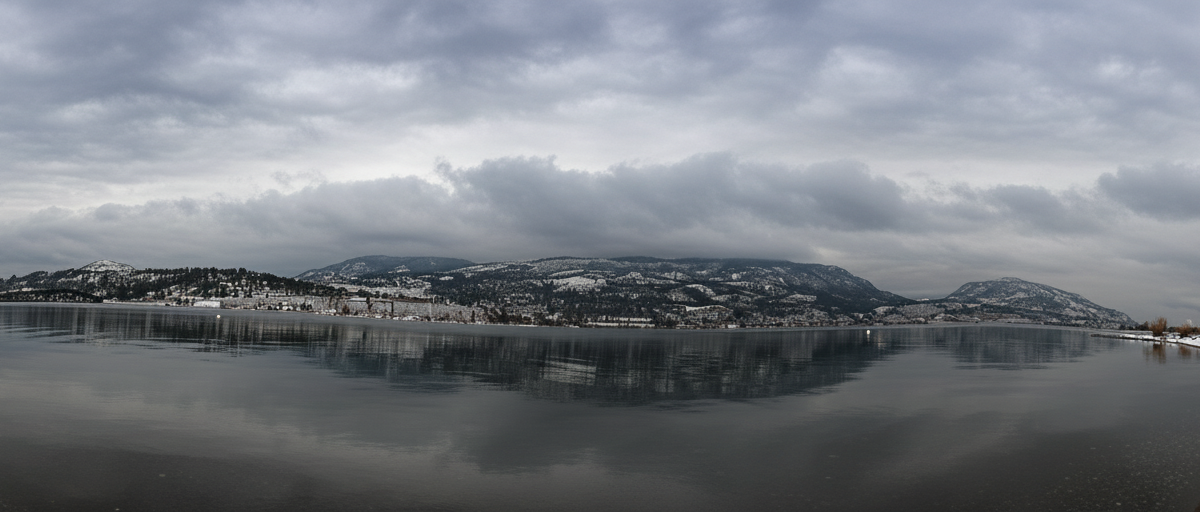
Deep in the waters of Okanagan Lake, British Columbia, something has been stirring for thousands of years. The Syilx (Okanagan) People call it N’ha-a-itk — a powerful water spirit that commands respect and offerings from those who cross the lake. European settlers renamed it Ogopogo in the 1920s, and ever since, this creature has become one of the world’s most documented and debated lake cryptids.
With over 200 reported sightings since 1872, multiple video recordings, and a lake that is actually deeper than Scotland’s Loch Ness, the Ogopogo phenomenon sits at a fascinating intersection of Indigenous spirituality, frontier folklore, modern cryptozoology, and genuine scientific curiosity.
The Syilx Tradition: N’ha-a-itk, the Sacred Lake Spirit
Long before any European set foot in the Okanagan Valley, the Syilx (Okanagan) People had a deep and complex relationship with the lake and its resident spirit. In Syilx oral tradition, N’ha-a-itk is not a “monster” but a powerful spiritual entity — a guardian of the lake that demanded respect.
Travellers crossing Okanagan Lake would traditionally bring a small animal as an offering, dropping it into the water near Squally Point (between Peachland and Summerland) to ensure safe passage. This practice reflected a worldview in which humans and nature exist in reciprocal relationship.
The area around Rattlesnake Island near Squally Point was considered particularly dangerous, and Syilx elders warned against lingering there. Notably, this is the exact area where the highest concentration of modern sightings occurs — a correlation spanning thousands of years of oral tradition and 150 years of European documentation.
Many Syilx people today consider the name “Ogopogo” — derived from a 1924 British music hall song — to be a trivialisation of their sacred traditions. Some cultural leaders have called for the creature to be referred to by its proper Syilx name.
The First European Sighting: 1872
The earliest documented European encounter came in 1872, when Mrs. Susan Allison (wife of pioneer rancher John Fall Allison) reported seeing a large creature with a horse-like head swimming in the lake near Squally Point. Allison was a well-respected figure in the community and a published author — her account was taken seriously.
The 1926 Mass Sighting at Okanagan Mission
On a summer day in 1926, approximately 30 people at Okanagan Mission Beach simultaneously witnessed a large creature surface repeatedly over roughly 20 minutes. Witnesses included families, tourists, and local businesspeople. The creature was described as dark in colour, approximately 6-10 meters long, with multiple humps visible above the waterline.
This mass sighting was reported in the Kelowna Courier and Vernon News, triggering a wave of public interest and the adoption of the “Ogopogo” name.
Video Evidence: The Key Recordings
Ed Fletcher’s Film (1976)
Ed Fletcher captured approximately one minute of 8mm film showing a dark shape moving through the water near Peachland. The footage was analysed by zoologists at UBC, who deemed it “inconclusive but interesting.” The shape showed consistent movement against the wind, ruling out a drifting log.
Ken Chaplin’s Video (1989)
The most famous Ogopogo footage — 45 seconds showing a large, dark serpentine shape on the Kelowna waterfront. Broadcast nationally on CBC and featured on the Discovery Channel. Multiple analysts examined it with opinions ranging from “compelling” to “likely misidentified wildlife.”
Richard Huls’ Video (2011)
Two dark shapes moving in tandem near Kelowna, filmed from a lakeside home. The shapes moved against wind direction, ruling out floating debris. Covered by BBC, Daily Mail (UK), and Discovery Channel.
Drone Footage (2020)
A drone operator captured an elongated dark shape below the surface near Kelowna waterfront. Went viral on social media; covered by Global News BC.
The Science: Could Ogopogo Actually Exist?
The Lake Is Remarkably Suitable
- Depth: 232 meters maximum — deeper than Loch Ness (227m)
- Length: 135 km — 3.6x longer than Loch Ness
- Volume: 24.6 km³ of water
- Food supply: Millions of kokanee salmon + rainbow trout, lake trout, burbot
- Deep water: 4-6°C year-round with 5-7 mg/L dissolved oxygen
- Visibility: Secchi depth of 8.5m — remarkably clear
Thermal Structure
Okanagan Lake is dimictic with three layers in summer: warm epilimnion (0-15m, 18-24°C), thermocline (15-30m), and cold hypolimnion (30-232m, stable at 4-6°C). A large creature could spend most time in the deep cold layer, surfacing only occasionally — explaining rare, brief sightings.
Most Plausible Explanation: White Sturgeon
Most marine biologists point to the White Sturgeon as the likeliest candidate:
- Can grow to over 3 meters and live 100+ years
- Bottom dwellers that rarely surface — making sightings feel extraordinary
- Dark, elongated bodies with bony scutes match many descriptions
- Endangered in BC, making any encounter extremely rare
Why a Breeding Population Is Unlikely
A viable population needs 50-500+ individuals. In a lake with commercial fishing, recreational boating, and waterfront development along 292 km of shoreline, a population of large unknown animals would have produced physical evidence by now — a carcass, bones, or DNA. Despite sonar expeditions, none has been found.
Ogopogo vs. Other Lake Monsters
| Creature | Lake | Country | First Record | Sightings | Depth | Length |
|---|---|---|---|---|---|---|
| Ogopogo | Okanagan | Canada | ~1000+ yrs (Syilx) | 200+ | 232m | 135 km |
| Nessie | Loch Ness | Scotland | 565 AD | 1,000+ | 227m | 37 km |
| Champ | Champlain | USA/CAN | 1609 | 300+ | 122m | 201 km |
Visiting the Ogopogo Sites
- Ogopogo Statue, Kelowna City Park: The famous lakeside statue — most-photographed spot
- Squally Point / Rattlesnake Island: Traditional “home” of N’ha-a-itk — best by boat from Peachland
- Okanagan Heritage Museum, Kelowna: Ogopogo history and Syilx culture exhibits
- Peachland waterfront: Location of multiple notable sightings
Sources: BC Archives, Kelowna Daily Courier, UBC Okanagan limnology research, Syilx Okanagan Nation cultural resources, Tourism Kelowna.